
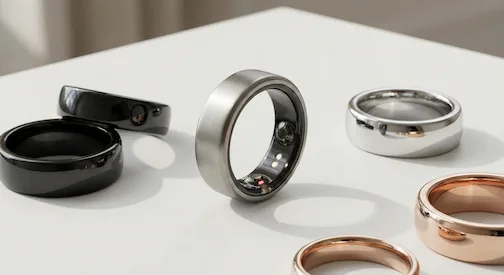
Our Top Smart Rings Picks by Category

Best Overall
Oura Ring 4
Best all‑around smart ring for deep sleep insights, recovery scores, and a polished app—if you’re okay with the monthly membership.

Best for Samsung Users
Samsung Galaxy Ring
The ideal smart ring if you’re already in the Samsung ecosystem, with tight Galaxy Health integration and no subscription.

Best Value
RingConn Gen 2
A subscription‑free smart ring with long battery life and strong sleep tracking at a mid‑range price.
Best 5 Smart Rings in 2025: Oura, Samsung, Ultrahuman, RingConn, and Renpho Compared Feature Comparison
| Feature | Oura Ring 4 | Samsung Galaxy Ring | Ultrahuman Ring Air | RingConn Gen 2 | Renpho Lynx Smart Ring |
|---|---|---|---|---|---|
| Price (USD) | $349 | $399.99 (often on sale for ~$300) | $349 | $299 | $119.99 |
| Subscription Required | Yes, about $5.99–$6 per month after free trial | No subscription required for core features | No subscription required for ring data | No, all metrics included without a subscription | No subscription required for core tracking |
| Battery Life | Up to about 7–8 days on a charge | Up to about 7 days on a charge | Roughly 4–6 days depending on usage | Around 10–12 days per charge depending on size | Around 5–7 days depending on features used |
| Water Resistance | Water resistant to about 100 m (up to 10 ATM equivalent) | Rated IP68 and up to around 10 m water resistance | Rated swim‑proof, around 100 m water resistance (IPX8‑class) | IP68, rated to about 100 m / 10 ATM | Water‑resistant to everyday splashes and brief submersion (exact rating varies by listing) |
| Phone Compatibility | iOS and Android | Best with Samsung Galaxy phones; Android‑only support | iOS and Android | iOS and Android, with Apple Health and Google Fit support | iOS and Android |
| Key Sensors | PPG heart rate, SpO2, temperature sensors, 3D accelerometer, IR sensors | PPG heart rate, temperature, accelerometer, motion sensors | PPG heart rate, temperature, infrared, accelerometer | PPG heart rate and SpO2, temperature, accelerometer, sleep apnea monitoring | PPG heart rate, accelerometer, temperature‑style metrics depending on model |
| Weight | Around 3–4 g depending on size | Roughly 2.3–3 g depending on size | About 2.4–3.6 g depending on size | Approximately 2–3 g depending on size | Lightweight design; exact grams vary by size and finish |
| Notable Features | Advanced sleep staging, readiness and activity scores, period prediction, illness detection hints | Galaxy AI Energy Score, cycle tracking, stress and heart rate insights, Samsung Health integration | Metabolic and recovery emphasis, integration with Ultrahuman ecosystem, no monthly fees | Sleep apnea‑oriented metrics, long battery life, included charging case with multiple recharges | Budget‑friendly smart ring with basic sleep and activity stats, decent starter choice |
In-Depth Reviews
Oura Ring 4
Best Overall
Premium titanium smart ring known for class‑leading sleep tracking, recovery insights, and a slick app—plus a required monthly membership.
Pros
- Excellent sleep and recovery analytics with detailed readiness scores
- Comfortable titanium design with multiple finishes and sizes
- Strong app experience with period prediction and stress insights
- Battery life up to around 7–8 days depending on usage
Cons
- Requires an ongoing paid membership for full features
- More expensive than most rivals, especially premium finishes
- Workout tracking is less robust than many sport‑focused wearables
Samsung Galaxy Ring
Best for Samsung Users
Samsung’s first‑gen Galaxy Ring leans on Galaxy AI for energy scoring and tight Samsung Health integration, with no ongoing subscription.
Pros
- Deep integration with Samsung Health and Galaxy phones
- Strong sleep tracking with AI‑driven energy score
- No monthly subscription for health metrics
- Slim titanium design with handy charging case and about 7‑day battery
Cons
- Best experience is limited to Samsung and Android phones
- App and ecosystem are newer than Oura’s with fewer third‑party hooks
- Full retail price is on the high side when not on sale
Ultrahuman Ring Air
Best for Recovery Insights Without a Subscription
A lightweight titanium smart ring focused on metabolic health and recovery, with no mandatory subscription and a mid‑to‑high price point.
Pros
- No ongoing subscription for core health metrics
- Comfortable titanium design with multiple color options
- Good sleep and recovery tracking, with metabolic‑health‑focused insights
- Solid multi‑day battery life and robust build quality
Cons
- App and ecosystem are still maturing compared with Oura and Samsung
- Higher price than some other no‑subscription options
- Occasional app quirks and slower feature rollouts reported by some users
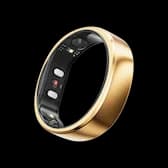
RingConn Gen 2
Best Battery Life
A slim, ultra‑light smart ring with 10–12 days of battery life, sleep apnea monitoring, and no subscription, positioned as a strong value pick.
Pros
- Excellent battery life, often stretching beyond a week
- No subscription fees for advanced health metrics
- Very light and thin titanium design that’s easy to forget you’re wearing
- Sleep apnea‑related monitoring and detailed sleep metrics
Cons
- App is less polished than Oura’s or Samsung’s
- Fewer big‑name integrations and accessories
- Availability and color options can fluctuate by region
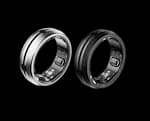
Renpho Lynx Smart Ring
Best Budget
A budget‑friendly smart ring option that covers core sleep and activity tracking at a much lower price than the premium brands.
Pros
- Significantly cheaper than most big‑name smart rings
- Covers basic sleep, heart rate, and activity tracking
- No mandatory subscription for essential metrics
- Good entry point for trying a smart ring without a big spend
Cons
- Build quality and finish feel less premium than titanium rivals
- App is simpler and can feel clunky compared with top‑tier options
- Fewer advanced metrics and insights than Oura or Samsung
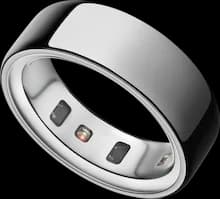
Oura Ring 4: The Smart Ring to Beat for Sleep and Recovery in 2025
Best Overall
If you care most about sleep and recovery, the Oura Ring 4 is still the one everyone else is chasing. The ring packs multiple LEDs, temperature sensors, and a 3D accelerometer into a slim titanium band that’s noticeably comfortable to wear day and night. In the app, you get clear readiness, sleep, and activity scores along with surprisingly detailed data on heart rate variability, body temperature shifts, and sleep stages.
The trade‑off is cost. On Amazon, the core silver finish typically sits around $349, while colors like gold or stealth can climb noticeably higher. You also need an Oura membership to unlock the metrics that make the ring worth owning, which adds a small monthly fee on top of the hardware. If you’re okay with the subscription and want the deepest insights in a discrete form factor, it’s the top premium pick.
Oura’s ecosystem is also mature. Firmware and app updates roll out regularly, and integrations with popular health platforms make it easier to fold your ring data into a bigger wellness picture. For people who want a set‑and‑forget health tracker that’s jewelry first and gadget second, Oura Ring 4 makes a strong case despite its price.
What Users Are Saying
After a few weeks, the nightly sleep and readiness scores became the first thing checked every morning.
Paraphrased from multiple long‑term reviewer impressions
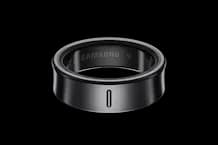
Samsung Galaxy Ring: Best Smart Ring for Galaxy Phone Owners
Best for Samsung Users
The Samsung Galaxy Ring is built for people already living in the Galaxy ecosystem. It pairs tightly with Samsung Health, turning the ring into an always‑on extension of your phone’s wellness tools. You get sleep tracking, heart rate monitoring, and an Energy Score that blends your recent sleep and activity to suggest whether to push harder or back off.
Because there’s no subscription, what you pay up front on Amazon is basically it. The MSRP sits around $399.99, but discounts commonly drop it closer to the $300 mark during big sale events. Battery life is solid at up to about a week, and the included charging case makes topping up quick and painless.
The main limitation is compatibility. While you can use the ring with Android, the most seamless experience and feature set still live on Samsung phones. If you’re already on a Galaxy S or Fold and want an understated health tracker instead of another smartwatch, Galaxy Ring is a very easy recommendation.
What Users Are Saying
For Samsung phone users, the Galaxy Ring feels like the missing piece that quietly tracks everything without adding another screen.
Paraphrased from major tech review summaries
Ultrahuman Ring Air: A No‑Subscription Smart Ring for Metabolic Health Fans
Best for Recovery Insights Without a Subscription
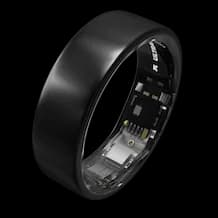
Ultrahuman Ring Air targets people who care about metabolism and recovery as much as they do raw step counts. The titanium shell and epoxy inner coating make it comfortable enough to wear around the clock, and reviewers routinely call out how light it feels. In the app you’ll see sleep, strain, and recovery‑style metrics that overlap with what Oura does, but without locking essentials behind a monthly subscription.
On Amazon, pricing is competitive with other premium smart rings, typically around $349 before any coupons or limited‑time sales. The company occasionally runs promotions that bring the effective price down, but the everyday sticker still puts it in the higher tier of the market.
Battery life lands in the multi‑day range rather than true battery‑monster territory, but the trade‑off is a thin, compact form factor and a fairly rich sensor suite. If you want a high‑quality smart ring but don’t love the idea of another monthly bill, Ultrahuman Ring Air is one of the strongest options in 2025.
What Users Are Saying
The ring feels invisible on the finger, and the recovery‑style scores are easy to understand without paying a monthly fee.
Paraphrased from long‑term YouTube and blog reviews
RingConn Gen 2: Long‑Lasting Smart Ring with Sleep Apnea Monitoring
Best Battery Life
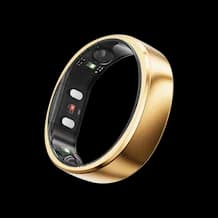
RingConn Gen 2 is built around comfort and endurance. The titanium alloy ring is noticeably thin and light, and paired with an efficient battery system and charging case, you can realistically go a week and a half between charges. It covers the usual smart‑ring basics—heart rate, SpO2, temperature, and activity—but also adds sleep apnea‑related monitoring that’s uncommon at this price.
The Gen 2 typically sells for about $299 on Amazon in the U.S., but early adopters and sale watchers sometimes catch it for less during promotions. There’s no subscription, so the up‑front price is the total cost of ownership unless you buy accessories.
The app doesn’t feel quite as polished as the biggest brands, and the ecosystem is more bare‑bones, but the core experience is solid for people who want a discreet, long‑lasting tracker. If battery life and avoiding monthly fees sit at the top of your list, RingConn Gen 2 is an easy ring to recommend.
What Users Are Saying
Battery life is the star here—charging every week or more instead of every few days makes it much easier to keep wearing.
Paraphrased from user reviews and independent testing notes
Renpho Lynx: Best Budget Smart Ring for First‑Time Buyers
Best Budget
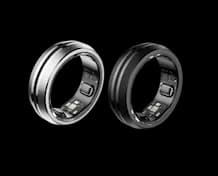
The Renpho Lynx smart ring is aimed squarely at people who are curious about smart rings but don’t want to sink a few hundred dollars into one. It focuses on the basics—sleep tracking, heart rate, and daily movement—without trying to compete spec‑for‑spec with the big names. Build quality is perfectly fine for the price, but it doesn’t have the same titanium jewelry feel as Oura, Samsung, or RingConn.
On Amazon, the Lynx usually sits close to the $120 mark, and it’s not uncommon to see minor discounts. That puts it closer to a mid‑range fitness tracker than a premium wearable, which is exactly the point. There’s no required subscription, so once you’ve bought the ring, you’re done paying.
The app is more utilitarian and less slick than top‑tier options, and the insights are fairly surface level. Still, if you just want to see how a smart ring fits into your life before upgrading to something pricier, Renpho’s Lynx makes the experiment a lot less expensive.
What Users Are Saying
It doesn’t feel as fancy as the big brands, but for the price it nails the basics of sleep and step tracking.
Paraphrased from budget‑focused buyer reviews
Frequently Asked Questions
Are smart rings more accurate than fitness trackers or smartwatches?
Accuracy depends more on the sensors and algorithms than the form factor, but smart rings do have an advantage for nighttime tracking. Because they sit on your finger, farther from large muscles and with less movement than a wrist, they can capture heart rate, HRV, and temperature with fewer motion artifacts during sleep. For daytime workouts, top smartwatches still tend to offer better GPS and sport‑specific tracking, while rings shine for 24/7 comfort and recovery metrics.
Do I really need a subscription with some smart rings like Oura?
With subscription‑based rings, you can usually see basic metrics without paying, but the detailed readiness scores, long‑term trends, and some advanced insights sit behind the membership. If you’re only casually tracking sleep and steps, a no‑subscription ring like Samsung Galaxy Ring, Ultrahuman, or RingConn can be a better value. If you know you’ll use in‑depth analytics and coaching every day, paying a small monthly fee for something like Oura can still make sense.
How long do smart ring batteries last on a single charge?
Battery life varies a lot by brand. Premium feature‑packed rings like Oura Ring 4 and Samsung Galaxy Ring usually land in the 4–7 day range. Efficiency‑focused models such as RingConn Gen 2 can stretch to 10–12 days, especially when paired with a charging case. Budget options like Renpho Lynx tend to sit somewhere in the middle. Your actual life will also depend on how often you sync, enable continuous monitoring, or use features such as SpO2 during sleep.
Can I wear a smart ring for swimming, showering, or lifting weights?
Most modern smart rings are designed for 24/7 wear, including showering and swimming, as long as you stay within their stated depth ratings. Models like Oura Ring 4, Galaxy Ring, Ultrahuman Ring Air, and RingConn Gen 2 advertise strong water resistance suitable for pool swims and everyday exposure. Heavy barbell work, rock climbing, or other activities that involve high pressure on the ring can scratch or damage any metal ring, though, so many users swap to another finger or take it off for those sessions.
Which smart ring is best if I use an iPhone?
If you’re on iOS, Oura Ring 4 and Ultrahuman Ring Air are the easiest fits because their apps are fully supported on iPhone and the experience is mature. RingConn Gen 2 and Renpho Lynx also work with iOS but have simpler apps. Samsung Galaxy Ring technically supports Android only, with the most complete feature set reserved for Samsung phones, so iPhone owners should generally skip it.